
The term “smart cities” gets thrown around a lot. But what does it really mean? At its core, a smart city is one that uses data, connectivity, and technology to improve daily life, whether that’s reducing traffic congestion, managing water usage more efficiently, or making energy consumption cleaner and smarter.
But here’s something people often overlook: None of it works without a strong foundation of electricity. And not just any electricity. We’re talking about robust, high-voltage infrastructure powering the systems behind the scenes.
Powering the Digital Foundations
Smart cities rely on massive networks of sensors, devices, and systems that collect and process real-time data. Think streetlights that adjust based on activity, traffic signals that adapt to patterns, or buildings that monitor their own energy use.
What powers all of this? Electricity. And more specifically, a reliable, large-scale power distribution system that can handle demand, scale quickly, and remain resilient under pressure.
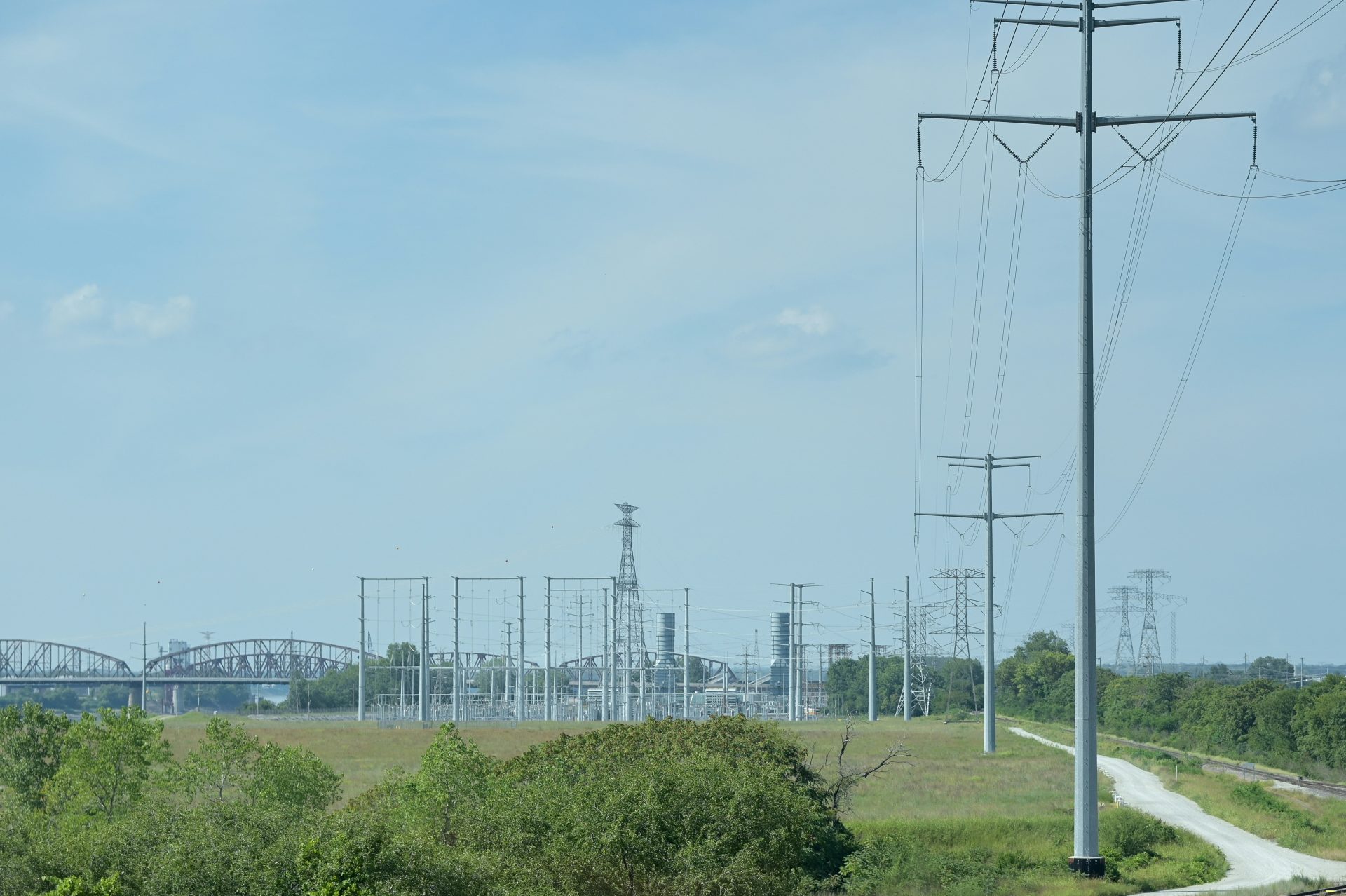
This is where high-voltage infrastructure steps in. It provides the backbone that carries electricity from generation sites — often located far outside urban areas — right into the heart of a city. Once there, it gets stepped down and distributed across local networks to power everything from public transport systems to emergency services and communication hubs.
Beyond Just Power – It’s About Precision and Reliability
As smart technologies continue to expand, the demands on energy infrastructure aren’t just about supplying more electricity, they’re about supplying it better.
Smart cities don’t just need power. They need:
- Low-latency delivery – so things like traffic signals and safety systems respond instantly
- Minimal downtime – because even a brief outage can disrupt critical services
- Clean integration – to support renewables and reduce reliance on carbon-heavy sources
This shift means we’re not just scaling up the power grid; we’re making it smarter too. Grid upgrades now often include automated controls, real-time fault detection, and advanced metering. That way, issues can be identified and fixed before they cause widespread problems.
And here’s where high voltage reticulation becomes important – the structured network that distributes high voltage electricity efficiently across urban areas. In the context of smart cities, this type of system needs to be both resilient and flexible, capable of handling spikes in demand without compromising stability, and designed to support future growth.
Supporting a Cleaner Energy Mix
Another critical point: Smart cities aim to reduce emissions and promote sustainable living. But that goal depends heavily on electricity that comes from cleaner sources.
As cities transition to solar, wind, and other renewables, the high voltage infrastructure must evolve too. Renewable energy is often intermittent and decentralised, coming from various sources and locations. That puts pressure on the grid to balance loads and manage distribution in real time.
Modern high voltage systems are being designed to handle this. They allow power to be rerouted based on where it’s being generated, store surplus energy when needed, and even support microgrids in certain areas. That flexibility is essential in building cities that can grow without harming the environment.
Smart Transport, Smarter Grids
Smart transport is a major part of urban development: electric buses, public transport that runs on digital timetables, and even autonomous vehicles down the line. All of this increases the electrical load in ways that didn’t exist just a decade ago.
It’s not just about charging stations or EVs. It’s about powering the software and systems that keep them running smoothly. That infrastructure needs to be integrated with the city’s main grid, which again brings us back to high voltage capacity and its ability to handle large, shifting demands with accuracy.
This means planning well ahead. Cities need to think not just about today’s needs, but what’s coming in 10, 20, even 50 years. Scalable high voltage systems are part of that long-term view.
It’s Also About Data
High voltage systems used to be quite straightforward; you move electricity from A to B. Now? They’re becoming digital networks themselves. Sensors and monitoring devices are embedded throughout the grid to provide real-time data on usage, voltage levels, outages, and performance. This helps with:
- Predictive maintenance – identifying faults before they cause disruption
- Energy efficiency – spotting areas of loss or waste
- Faster recovery – isolating problems without bringing down the whole network
In short, the grid becomes part of the smart city system. It learns, adapts, and improves, just like the other technologies it’s supporting.
Why This Matters More Than Ever
We’re entering an era where everything is becoming more connected: our homes, roads, healthcare, and government services. And all of it relies on power that’s consistent, adaptable, and capable of supporting rapid digital growth.
High voltage infrastructure isn’t just a technical requirement. It’s the enabler of everything a smart city aims to be: efficient, responsive, sustainable, and livable. So while it may not be as visible or exciting as the latest app or transport innovation, it’s just as important, if not more so.
The Path Forward is Clear — and Powered Up
Building the cities of the future doesn’t start with software. It starts with strong, smart foundations. Investing in high voltage infrastructure isn’t just an energy decision. It’s a city-building decision. And the choices we make now in how we power our cities will shape how well they work for decades to come.